
"Costa Rica exports"
600 article(s) found
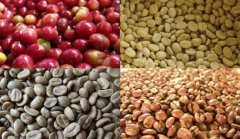
A brief introduction to the description of the flavor and aroma characteristics of Costa Rican Saint Roman Coffee
The research center, located about 30 kilometers northeast of the Costa Rican capital San Jose, belongs to the Costa Rican Coffee Association and is a research institution for villa sarchi planting, breeding and quality inspection newly developed by Costa Rica's national coffee breeds. in addition, it also has 10 hectares of experimental plots, planting a number of excellent varieties. Coffee is the main agricultural product in Costa Rica, with an annual output of more than 2 million bags

Taste mellow neutral Costa Rican coffee varieties taste manor characteristics boutique coffee bean flavor introduction
Costa Rican coffee is produced in the Republic of Costa Rica (The Republic of Costa Rica) in the south of Central America. Its quality is similar to that of Colombian coffee and is suitable for blending mixed coffee. The coffee beans produced at the high latitudes of Costa Rica are famous in the world, full-bodied, mild in taste, but extremely sour.

A brief introduction to the treatment method of grinding degree and baking degree of high acidity Tarazhu boutique coffee beans in Costa Rica
Costa Rica's coffee industry, originally controlled by the Costa Rican Coffee Industry Company (InstitutodelCafdeCostaRica, ICAFE), has been taken over by the official Coffee Committee (OficinadelCaf). Among the exported coffee, those products that are considered to be of substandard quality are colored with blue vegetable dyes and then transferred back to China for sale. Coffee consumed at home

Costa Rican coffee Costa Rican coffee unique flavor Costa Rican boutique coffee brother
The coffee beans produced at the high latitudes of Costa Rica are famous in the world, full-bodied, mild in taste, but extremely sour. The coffee beans here have been carefully processed, which is why they have high quality coffee. Located in the south of SanJos, the capital of Tarasu, Costa Rica is one of the most valued coffee growers in the country. Tarrazu (Lord of the World)

Boutique Coffee Costa Rica Coffee Manor Fire Phoenix Manor Coffee Bean Coffee producing area
The coffee beans produced in the high latitudes of Costa Rica are famous in the world, full-bodied, mild in taste, but extremely sour. The coffee beans here have been carefully processed, which is why they have high-quality coffee. Tarasu, located in the south of SanJos, the capital of Costa Rica, is one of the most valued coffee growers in the country. Tarasu (

Grinding scale of Diamond Mountain Coffee beans in Costa Rica introduction of manor varieties by taste treatment method
Coffee was introduced into Costa Rica from Cuba in 1729. Today, its coffee industry is one of the well-organized industries in the world, with a yield of 1700 kg per hectare. Costa Rica has only 3.5 million people but 400m coffee trees, and coffee exports account for 25 per cent of the country's total exports. The volcanic soil of Costa Rica is very fertile and well drained, especially in the central part.

Introduction of Coffee Flavor Manor in the Western Valley of Costa Rica
Coffee was introduced into Costa Rica from Cuba in 1729. Today, its coffee industry is one of the well-organized industries in the world, with a yield of 1700 kg per hectare. Costa Rica has only 3.5 million people but 400m coffee trees, and coffee exports account for 25 per cent of the country's total exports. The volcanic soil of Costa Rica is very fertile and well drained, especially in the central part.

A brief introduction to the planting market price of Costa Rica Tarazhu boutique coffee beans with clear flavor
The coffee industry in Costa Rica has adopted new technologies to increase efficiency, including the use of electric eyes to select beans and identify coffee beans of irregular size as an important source of income for Costa Rica, which has been cultivated for 200 years since it was introduced in 1808. Costa Rica-related industries, Colombians say that coffee has changed the country, can enjoy a rich environment, coffee does contribute to outstanding

Costa Rican coffee bean price Costa Rican coffee Kenyan coffee latte
The coffee beans produced at the high latitudes of Costa Rica are famous in the world, full-bodied, mild in taste, but extremely sour. The coffee beans here have been carefully processed, which is why they have high quality coffee. Located in the south of SanJos, the capital of Tarasu, Costa Rica is one of the most valued coffee growers in the country. Tarrazu World
Delicious taste neutral Costa Rican coffee variety characteristics Taste Manor boutique coffee bean flavor medium
Costa Rican coffee is produced in The Republic of Costa Rica in southern Central America. Its coffee quality is similar to that of Colombia coffee, which is suitable for blending mixed coffee. Costa Rica's high latitudes produce coffee beans that are famous in the world, rich, mild in taste, but extremely acidic. The coffee beans here are carefully processed and positive.

Aromatic taste Neutral Costa Rican coffee varieties Taste characteristics Manor boutique coffee beans Flavor medium
Costa Rican coffee is produced in The Republic of Costa Rica in southern Central America. Its coffee quality is similar to that of Colombia coffee, which is suitable for blending mixed coffee. Costa Rica's high latitudes produce coffee beans that are famous in the world, rich, mild in taste, but extremely acidic. The coffee beans here are carefully processed and positive.
Cultivation of boutique coffee beans in Costa Rica current situation of boutique coffee in Costa Rica
The coffee beans produced at the high latitudes of Costa Rica are famous in the world, full-bodied, mild in taste, but extremely sour. The coffee beans here have been carefully processed, which is why they have high quality coffee. Located in the south of SanJos, the capital of Tarasu, Costa Rica is one of the most valued coffee growers in the country. Tarrazu (Lord of the World)

Introduction to the flavor description and taste characteristics of Costa Rican coffee varieties
In the 1820s, the independence movement in Latin America was high, and Costa Rica declared its independence in 1821. Incorporated into the Iturvid Empire of Mexico in 1822. He joined the Union of Central America in 1823. The Republic of Costa Rica was founded in 1848. From 1821 to 1870, the Costa Rican regime was mainly controlled by J.R. Morapolas and J.M. The economy is booming in the hands of the two Montealegre families.

Introduction to the taste of Costa Rican Saint Roman Manor Coffee with light and pure flavor and pleasant aroma
Tarrazu of Costa Rica is one of the major coffee producing areas in the world. Its flavor is light and pure, and its aroma is pleasant. Costa Rica, with its fertile volcanic soil and good drainage, is the first country in Central America to grow coffee and bananas for commercial value. Coffee and bananas are the country's main exports. In 1729, coffee came from

Costa Rican Goddess Manor Coffee Flavor Taste Features Introduction
Coffee was introduced to Costa Rica from Cuba in 1729, and today its coffee industry is one of the most well-organized in the world, producing up to 1700 kilograms per hectare. Costa Rica has a population of 3.5 million, but coffee trees number 400 million, and coffee exports account for 25% of the country's total exports. The volcanic soils of Costa Rica are very fertile and well drained, especially in the central part.

Flavor description and taste treatment of coffee beans in Pastora Manor, La Pastora, Costa Rica
Flavor description of coffee beans in Pastora Manor, Costa Rica in 1729, coffee was introduced to Costa Rica from Cuba. Today, its coffee industry is one of the well-organized industries in the world, with an output of 1700 kg per hectare. Costa Rica has a population of only 3.5 million, but has as many as 400 million coffee trees, and coffee exports account for the country's total exports.

Costa Rican Yersalo coffee with unique aroma and strong taste
1502 C. Columbus discovered the Costa Rican coast on his fourth voyage. Since then, Spanish settlers have invaded many times. Cartago City was built in 1563, Costa Rica became a Spanish colony and was placed under the jurisdiction of the Governor General of Guatemala. During colonial rule, under the cruel slavery and oppression of Spanish colonists, the Indians were almost wiped out, and there was very little labor available for slavery.

A brief introduction to the Calibration of Coffee Bean Flavor description treatment in Yerzaro, Costa Rica
Coffee was introduced into Costa Rica from Cuba in 1729. Today, its coffee industry is one of the well-organized industries in the world, with a yield of 1700 kg per hectare. Costa Rica has only 3.5 million people but 400m coffee trees, and coffee exports account for 25 per cent of the country's total exports. The volcanic soil of Costa Rica is very fertile and well drained, especially in the central part.

Introduction to the characteristics of Flavor and Taste of Coffee Manor in Saint Roman, Costa Rica
Coffee was introduced into Costa Rica from Cuba in 1729. Today, its coffee industry is one of the well-organized industries in the world, with a yield of 1700 kg per hectare. Costa Rica has only 3.5 million people but 400m coffee trees, and coffee exports account for 25 per cent of the country's total exports. The volcanic soil of Costa Rica is very fertile and well drained, especially in the central part.

Costa Rican coffee bean price Costa Rican coffee bean variety
The coffee beans produced in the high latitudes of Costa Rica are famous in the world, full-bodied, mild in taste, but extremely sour. The coffee beans here have been carefully processed, which is why they have high-quality coffee. Tarasu, located in the south of SanJos, the capital of Costa Rica, is one of the most valued coffee growers in the country. Tarasu (